Gone at last! Got a good deal too!

CALL NOW FOR AN INSTANT OFFER
Sell your car today
Fast, faultless transaction! Would recommend
Picked up my car the same day! Brilliant
Get Cash: Sell Car for Scrap
Selling a car for scrap can seem like a daunting task, especially if you’ve never done it before. The process typically begins with assessing the condition of your vehicle. If your car is no longer roadworthy or has suffered significant damage, it may be time to consider scrapping it.
Understanding the value of your car in its current state is crucial; scrap cars are often valued based on their weight and the materials they contain, such as metal and plastic. This means that even if your vehicle is not functional, it still holds some value that can be tapped into. Additionally, familiarising yourself with the local regulations regarding scrap vehicles is essential, as these can vary significantly from one area to another.
Once you’ve decided to scrap your car, the next step involves gathering necessary information about the vehicle. This includes the make, model, year, and any relevant documentation such as the V5C registration certificate. Having this information readily available will streamline the process and ensure that you receive a fair offer from potential buyers or scrapyards.
It’s also wise to research the current market rates for scrap metal, as these can fluctuate based on demand and supply. By understanding these dynamics, you can better gauge what to expect when selling your car for scrap and avoid being short-changed in the process.
Key Takeaways
- Selling a car for scrap involves understanding the process, finding the right buyer, preparing the car, getting the best price, and handling paperwork and legalities.
- Finding the right scrapyard or buyer for your car involves researching and comparing offers, checking for licenses and certifications, and considering convenience and customer service.
- Preparing your car for the scrapyard includes removing personal belongings, draining fluids, and obtaining necessary paperwork such as the title and registration.
- Getting the best price for your scrap car involves getting multiple quotes, negotiating with buyers, and considering additional services such as towing.
- Handling the paperwork and legalities of selling a car for scrap includes transferring ownership, cancelling insurance, and ensuring compliance with local regulations.
- Selling your car for scrap has environmental benefits such as reducing waste and pollution, conserving resources, and promoting recycling.
- Alternatives to selling your car for scrap include selling it for parts, donating it to charity, or exploring trade-in options with dealerships.
Finding the Right Scrapyard or Buyer for Your Car
Finding a reputable scrapyard or buyer is a critical step in the process of selling your car for scrap. Not all scrapyards operate with the same level of integrity, so it’s important to do your homework before making a decision. Start by seeking recommendations from friends or family who have had positive experiences in the past.
Online reviews and ratings can also provide valuable insights into the reputation of various scrapyards in your area. Look for businesses that are licensed and adhere to environmental regulations, as this indicates a commitment to responsible practices. A trustworthy scrapyard will not only offer you a fair price but will also handle the scrapping process in an environmentally friendly manner.
Once you have a shortlist of potential buyers, it’s advisable to contact them for quotes. Many scrapyards will offer free estimates based on the information you provide about your vehicle. Be prepared to answer questions regarding its condition, any missing parts, and whether it is still operational.
This initial communication can also give you a sense of their customer service approach. A scrapyard that is willing to take the time to explain their process and answer your questions is likely to be more reliable than one that rushes through the conversation. After gathering several quotes, compare them not just on price but also on the services offered, such as free collection or assistance with paperwork.
Preparing Your Car for the Scrapyard
Preparing your car for scrapping is an essential step that can help maximise its value and ensure a smooth transaction. Start by removing any personal belongings from the vehicle; this includes items like clothing, electronics, and any other personal effects that may have been left behind. It’s also wise to check for any valuable components that could be sold separately, such as alloy wheels or a high-quality stereo system.
By taking the time to strip your car of these items, you can potentially increase your overall profit from the sale. Next, consider cleaning out the interior and exterior of your vehicle. While this may seem trivial, a clean car can create a better impression and may even lead to a slightly higher offer from buyers.
Additionally, if your car has any fluids leaking or other hazardous materials present, it’s important to address these issues before taking it to the scrapyard. Many scrapyards have strict regulations regarding hazardous waste, and ensuring that your vehicle is compliant can prevent complications during the scrapping process. Finally, make sure you have all necessary documentation ready for when you arrive at the scrapyard; this will facilitate a quicker transaction and help avoid any potential delays.
Getting the Best Price for Your Scrap Car
When it comes to selling your car for scrap, getting the best price is often at the forefront of your mind. To achieve this goal, it’s essential to conduct thorough research on current scrap metal prices and understand how they fluctuate based on market conditions. Prices can vary significantly depending on factors such as demand for specific metals like steel or aluminium, so staying informed will empower you during negotiations with potential buyers.
Additionally, consider timing your sale; selling during periods of high demand can lead to better offers. Another effective strategy for maximising your profit is to obtain multiple quotes from different scrapyards or buyers. This not only gives you a clearer picture of what your car is worth but also provides leverage during negotiations.
If one scrapyard offers a higher price than another, you can use this information to negotiate with other buyers. Furthermore, don’t hesitate to ask questions about how they determine their offers; understanding their pricing structure can help you make an informed decision. Ultimately, being proactive and well-informed will significantly enhance your chances of securing the best possible price for your scrap car.
Handling the Paperwork and Legalities of Selling a Car for Scrap
Navigating the paperwork and legalities involved in selling a car for scrap can be one of the more complex aspects of the process. In the UK, it’s essential to inform the DVLA (Driver and Vehicle Licensing Agency) when you sell your vehicle for scrap. This involves completing a section of your V5C registration certificate and sending it to the DVLA to notify them that you are no longer the owner of the vehicle.
Failing to do so could result in continued liability for any fines or penalties associated with the vehicle after it has been scrapped. Additionally, ensure that you receive a Certificate of Destruction (CoD) from the scrapyard once your vehicle has been processed. This document serves as proof that your car has been disposed of correctly and legally, protecting you from any future claims related to the vehicle.
It’s also wise to keep copies of all correspondence and documentation related to the sale for your records. By staying organised and adhering to legal requirements, you can avoid potential pitfalls and ensure that your experience selling a car for scrap is as seamless as possible.
Environmental Benefits of Selling Your Car for Scrap
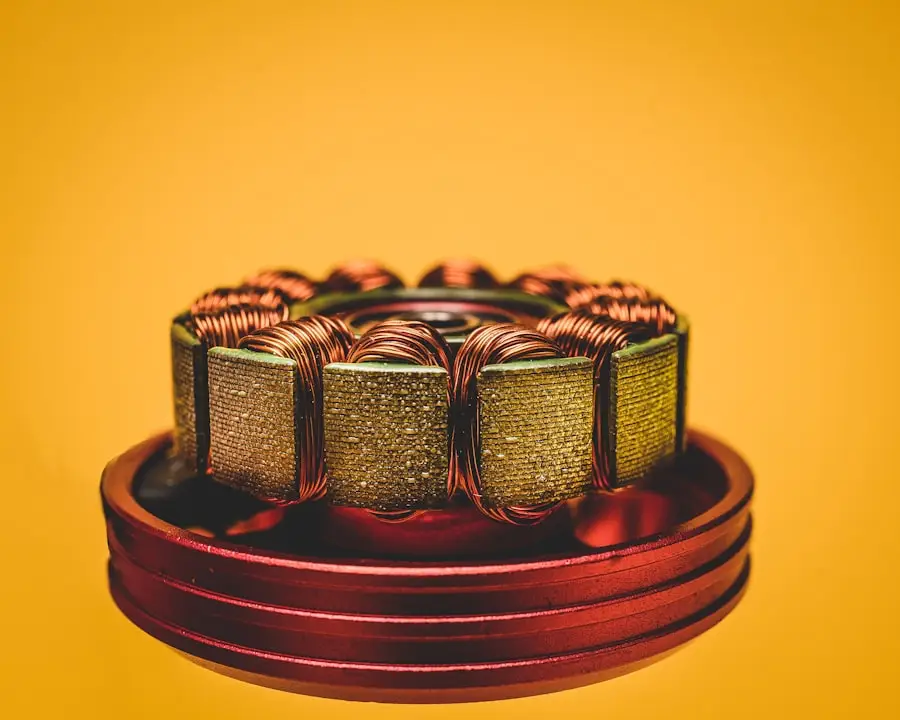
Selling your car for scrap not only benefits you financially but also has significant environmental advantages. When vehicles are scrapped responsibly, valuable materials such as metals and plastics are recycled rather than ending up in landfills. This recycling process conserves natural resources and reduces energy consumption associated with producing new materials from raw resources.
For instance, recycling aluminium saves up to 95% of the energy required to create new aluminium from bauxite ore. By choosing to scrap your car rather than letting it deteriorate in a junkyard or landfill, you are actively contributing to environmental sustainability. Moreover, responsible scrapping practices help mitigate pollution and reduce greenhouse gas emissions.
Many modern scrapyards employ advanced technologies that ensure hazardous materials like oils, batteries, and fluids are disposed of safely and in compliance with environmental regulations. This not only protects local ecosystems but also contributes to cleaner air and water quality in surrounding areas. By selling your car for scrap through an environmentally conscious scrapyard, you are playing a part in promoting sustainable practices within the automotive industry.
Alternatives to Selling Your Car for Scrap
While scrapping your car may seem like the most straightforward option when it reaches the end of its life cycle, there are several alternatives worth considering that could yield better financial returns or personal satisfaction. One option is selling your vehicle privately; even if it’s not in perfect condition, there may be buyers interested in parts or restoration projects who are willing to pay more than scrap value. Platforms like online marketplaces or local classifieds can connect you with potential buyers who see value in what you might consider a worthless vehicle.
Another alternative is donating your car to charity. Many charitable organisations accept vehicles in any condition and will often arrange for free collection. In return, you may receive a tax deduction based on the value of your donation, which can be beneficial come tax season.
Additionally, donating your car can provide a sense of fulfilment knowing that it will be used to support a good cause rather than simply being dismantled for parts. Exploring these alternatives allows you to make an informed decision about what’s best for both your financial situation and personal values when it comes time to part with your vehicle.
If you’re considering selling your car for scrap, it’s essential to gather as much information as possible to ensure you get the best deal. A helpful resource to check out is an article that offers practical car scrapping tips. This guide provides valuable insights on how to prepare your car for scrapping, what paperwork you need, and how to choose a reputable scrap dealer. For more detailed information, you can read the full article by visiting Car Scrapping Tips. This resource will equip you with the knowledge to make informed decisions and potentially increase the amount of cash you can get for your non-running car or van.
FAQs
What does it mean to sell a car for scrap?
Selling a car for scrap means selling a vehicle that is no longer roadworthy or repairable to a scrapyard or recycling center. The car is typically dismantled and its parts are recycled or reused.
How do I sell my car for scrap?
To sell your car for scrap, you can contact local scrap yards or recycling centers and inquire about their process for purchasing scrap cars. You will need to provide information about the car’s make, model, and condition.
What documents do I need to sell my car for scrap?
When selling a car for scrap, you will typically need to provide the title of the vehicle, as well as any other relevant documentation such as proof of ownership and identification.
How much money can I get for selling my car for scrap?
The amount of money you can get for selling your car for scrap will depend on factors such as the car’s make, model, condition, and current market prices for scrap metal. It’s best to contact multiple scrap yards to get quotes and compare offers.
What happens to my car after I sell it for scrap?
After you sell your car for scrap, it will be dismantled and its parts will be recycled or reused. The remaining metal will be processed and sold to manufacturers for use in new products.

IS YOUR CAR TO GOOD FOR SCRAP?
We will make offers on all types of used cars, vans and bikes. Whatever condition your motor is in, we will offer you the best price and purchase instantly. It doesn’t matter if your car is a prestige classic or a scrap car that has seen better days.
We really do buy any cars
From Fords to Ferrari’s and everything in between!
Bmw / Merc / Audi / Vauxhall / Nissan / Honda / Fiat / Renault
Just enter reg number in the form or
call us on 01268 944038 for instant offer.