Picked up my car the same day! Brilliant

CALL NOW FOR AN INSTANT OFFER
Sell your car today
Well pleased, collected quickly! Paid instantly
Quick and easy! Highly recommended!
Get Cash for Your Car Scrap Today
When it comes to understanding the value of your car scrap, it is essential to recognize that every vehicle, regardless of its condition, holds potential worth. The value of scrap cars is determined by various factors, including the make and model, age, and the current market demand for scrap metal. For instance, certain brands or models may have components that are in high demand, such as catalytic converters or specific engine parts, which can significantly increase the overall value of the scrap.
Additionally, the weight of the vehicle plays a crucial role; heavier cars typically yield more metal, thus enhancing their scrap value. It is also important to consider the fluctuating prices of metals like steel and aluminum, which can impact how much you can expect to receive for your vehicle. Moreover, understanding the intrinsic value of your car scrap goes beyond just the metal itself.
Many vehicles contain valuable parts that can be salvaged and resold individually. Items such as batteries, tires, and electronic components can all contribute to the overall worth of your scrap car. By taking the time to assess these elements, you can gain a clearer picture of what your vehicle is worth in its entirety.
Additionally, local regulations and environmental considerations may also affect the value; for example, cars that are compliant with certain environmental standards may fetch a higher price due to their reduced impact on the environment. Therefore, a comprehensive understanding of both the physical and market factors at play is crucial in determining the true value of your car scrap.
Key Takeaways
- Understanding the value of your car scrap:
- Research the current market value of scrap metal and car parts to understand the potential worth of your car scrap.
- Consider factors such as the make, model, and condition of your car to accurately assess its value as scrap.
- Finding the right buyer for your car scrap:
- Explore different options such as scrap yards, auto salvage yards, and online buyers to find the best deal for your car scrap.
- Look for reputable buyers with positive reviews and a track record of fair and transparent transactions.
- Preparing your car scrap for sale:
- Remove any personal belongings and valuable components from the car before selling it as scrap.
- Drain fluids and remove hazardous materials to ensure safe and environmentally friendly disposal of the car.
- Negotiating the best price for your car scrap:
- Use your research on the value of your car scrap as leverage during negotiations with potential buyers.
- Be open to offers and willing to negotiate, but also know your bottom line and don’t settle for less than your car’s worth.
- Completing the sale and receiving cash for your car scrap:
- Ensure all necessary paperwork is in order and transfer ownership of the car to the buyer to complete the sale.
- Receive payment in cash or through a secure and reliable payment method before handing over the car to the buyer.
- Proper disposal of any remaining car scrap:
- Dispose of any remaining car scrap, such as non-recyclable materials, in accordance with local regulations and environmental guidelines.
- Consider recycling or repurposing any salvageable parts to minimize waste and maximize the value of your car scrap.
- Tips for maximizing the value of your car scrap:
- Keep your car in good condition and maintain it regularly to maximize its value as scrap when the time comes to sell.
- Consider selling valuable components separately to potentially earn more than selling the entire car as scrap.
Finding the right buyer for your car scrap
Once you have a grasp on the value of your car scrap, the next step is to find the right buyer who can offer you a fair price. The market for scrap cars is diverse, with various options available ranging from local scrap yards to online platforms that specialize in buying vehicles for parts or recycling. Each option has its pros and cons; for instance, local scrap yards may provide immediate cash offers but could potentially undervalue your vehicle due to their need to resell parts at a profit.
On the other hand, online buyers may offer competitive prices but could involve a more extended process that includes negotiations and paperwork. It’s essential to research potential buyers thoroughly, reading reviews and comparing offers to ensure you are making an informed decision. In addition to traditional buyers, consider reaching out to specialized companies that focus on eco-friendly disposal methods.
These businesses often prioritize sustainability and may offer better prices for vehicles that can be recycled responsibly. Networking within local automotive communities or forums can also yield valuable leads on reputable buyers who are known for fair dealings. Furthermore, don’t hesitate to ask friends or family for recommendations; personal experiences can often guide you toward trustworthy buyers.
Ultimately, finding the right buyer involves balancing convenience with value, ensuring that you receive a fair price while also considering how quickly you want to complete the sale.
Preparing your car scrap for sale
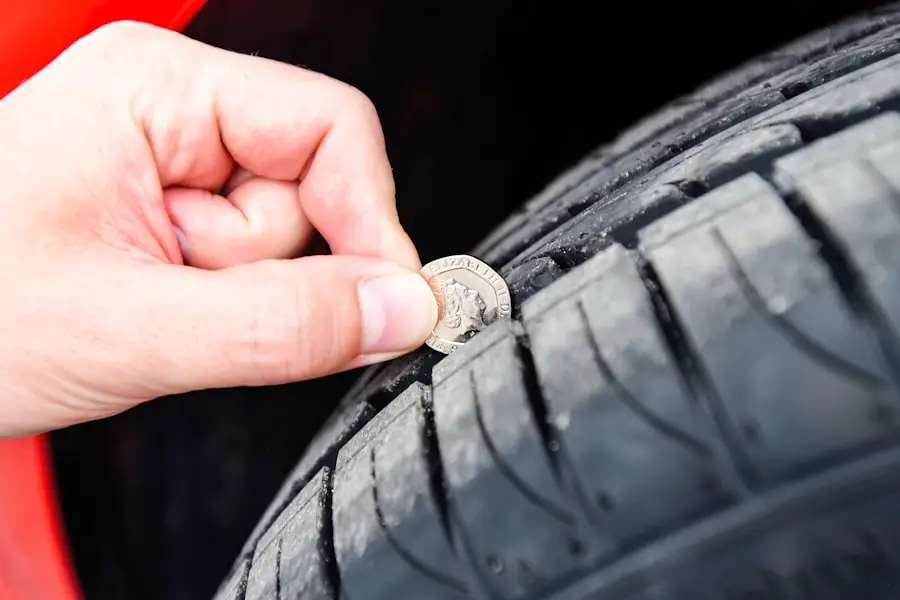
Preparing your car scrap for sale is a crucial step that can significantly influence the final price you receive. Start by cleaning out any personal belongings from the vehicle; this not only makes the process smoother but also allows you to assess any additional items that may have value. Once cleared, take a moment to inspect the car thoroughly.
Document any parts that are still functional or in good condition, as these can be highlighted during negotiations with potential buyers. If you have service records or documentation proving the vehicle’s maintenance history, gather these as they can enhance your bargaining position by demonstrating that the car was well cared for. Additionally, it’s wise to remove any hazardous materials from the vehicle before selling it as scrap.
Items such as batteries, fluids, and tires should be disposed of properly according to local regulations. Not only does this ensure compliance with environmental laws, but it also makes your vehicle more appealing to buyers who may be concerned about potential liabilities associated with hazardous waste. Taking these preparatory steps not only maximizes your chances of receiving a better price but also reflects positively on you as a seller, showcasing your commitment to responsible disposal practices.
Negotiating the best price for your car scrap
Negotiating the best price for your car scrap requires a blend of preparation and confidence. Armed with knowledge about your vehicle’s value and an understanding of current market trends, you can approach potential buyers with a clear idea of what you expect. Start by presenting any documentation or evidence that supports your asking price; this could include recent quotes from other buyers or information about similar vehicles sold in your area.
Being transparent about what you know can help establish trust with potential buyers and set a positive tone for negotiations. Moreover, don’t shy away from being assertive during discussions. If a buyer offers a price that falls short of your expectations, be prepared to counter with a well-reasoned argument based on your research.
Highlight any unique features or valuable components of your vehicle that justify a higher price point. Remember that negotiation is often a back-and-forth process; patience and persistence can pay off significantly. Additionally, consider setting a minimum acceptable price beforehand so that you remain focused during negotiations and avoid settling for less than what you believe is fair.
Completing the sale and receiving cash for your car scrap
Completing the sale of your car scrap is often one of the most satisfying parts of the process, especially when it culminates in receiving cash in hand. Once you have agreed on a price with a buyer, ensure that all necessary paperwork is completed accurately to avoid any future complications. This typically includes transferring ownership documents and providing any relevant information about the vehicle’s history.
It’s crucial to keep copies of all documents for your records as they may be needed for future reference or in case any disputes arise after the sale. When it comes time to receive payment, ensure that you are comfortable with the method being used. Cash transactions are often preferred for their immediacy and simplicity; however, if you opt for a cheque or bank transfer, verify that it clears before handing over any keys or documents related to the vehicle.
Additionally, if you are selling to a business rather than an individual, inquire about their payment policies beforehand to avoid any surprises. Completing this transaction smoothly not only provides financial relief but also allows you to feel good about having responsibly disposed of your vehicle.
Proper disposal of any remaining car scrap

Proper disposal of any remaining car scrap is an essential aspect of ensuring that you adhere to environmental regulations while also maximizing potential returns from leftover materials. After selling off valuable parts and components, there may still be remnants of your vehicle that require responsible handling. Many local recycling centers accept scrap metal from vehicles and will often pay for it based on weight and type.
This not only helps reduce landfill waste but also contributes to sustainable practices by allowing materials to be repurposed into new products. In addition to recycling metal components, consider donating usable parts or accessories from your vehicle if they are still in good condition. Charitable organizations often welcome donations of working car parts or even entire vehicles that can be refurbished or sold to support their causes.
This approach not only benefits those in need but also provides you with potential tax deductions based on the value of your donation. By taking these steps towards proper disposal, you not only fulfill your responsibility as a seller but also contribute positively to both your community and the environment.
Tips for maximizing the value of your car scrap
Maximizing the value of your car scrap involves strategic planning and informed decision-making throughout the entire process. One effective tip is to stay updated on market trends related to scrap metal prices; fluctuations can occur based on global demand and supply chains. By timing your sale when prices are high, you can significantly increase your returns.
Additionally, consider removing valuable parts yourself before selling the rest of the vehicle; components like batteries, catalytic converters, and electronics often have higher resale values when sold separately. Another important aspect is maintaining clear communication with potential buyers. Be honest about the condition of your vehicle while also highlighting its strengths; this transparency builds trust and can lead to better offers.
Furthermore, don’t hesitate to shop around; obtaining multiple quotes from different buyers allows you to compare offers and negotiate more effectively. Lastly, consider investing some time into cleaning up your vehicle before selling it; a well-presented car can create a positive impression and potentially lead to higher offers from buyers who appreciate its condition. By implementing these tips, you can ensure that you receive the maximum possible value for your car scrap while contributing positively to sustainable practices in automotive disposal.
If you’re considering scrapping your car for cash and are curious about whether the same can be done with other vehicles, such as motorbikes, you might find this related article useful. It discusses the specifics of whether you can sell a motorbike for scrap, providing valuable insights and guidelines that could help you make an informed decision about your motorbike or any other vehicle you might be considering scrapping.
FAQs
What is car scrap for cash?
Car scrap for cash refers to the process of selling an old or unwanted car to a scrap yard or recycling center in exchange for money. The car is typically dismantled and its parts are recycled or reused, while the remaining metal is sold for scrap.
How does car scrap for cash work?
To scrap a car for cash, the owner typically contacts a scrap yard or recycling center to get a quote for the vehicle. Once a price is agreed upon, the owner delivers the car to the facility or arranges for it to be picked up. The car is then dismantled, and the usable parts are salvaged while the remaining metal is recycled.
What are the benefits of car scrap for cash?
Scraping a car for cash allows owners to get rid of an old or unwanted vehicle while also earning some money. Additionally, it helps to reduce the environmental impact of the vehicle by recycling its materials and reducing the need for new raw materials.
What types of cars can be scrapped for cash?
Most types of cars, including old, damaged, non-running, and end-of-life vehicles, can be scrapped for cash. However, the value of the car will depend on factors such as its make, model, condition, and the current market price for scrap metal.
Is it legal to scrap a car for cash?
Yes, it is legal to scrap a car for cash as long as the owner has the necessary documentation to prove ownership of the vehicle. Additionally, it is important to ensure that the scrap yard or recycling center is licensed and operates in compliance with local regulations.

IS YOUR CAR TO GOOD FOR SCRAP?
We will make offers on all types of used cars, vans and bikes. Whatever condition your motor is in, we will offer you the best price and purchase instantly. It doesn’t matter if your car is a prestige classic or a scrap car that has seen better days.
We really do buy any cars
From Fords to Ferrari’s and everything in between!
Bmw / Merc / Audi / Vauxhall / Nissan / Honda / Fiat / Renault
Just enter reg number in the form or
call us on 01268 944038 for instant offer.